

Every species has a signature
ONTOLOGY helps you read it
ONTOLOGY is an innovative platform for DNA barcoding and metabarcoding—integrated software, ready-to-use consumables, and results generated by the Centre for Biodiversity Genomics (CBG), the global leader in the development and application of DNA-based identification systems.
01
Sample-to-answer
ONTOLOGY handles both the molecular biology and bioinformatics. Fewer steps, fewer errors, reproducible results.
02
Built for deployment
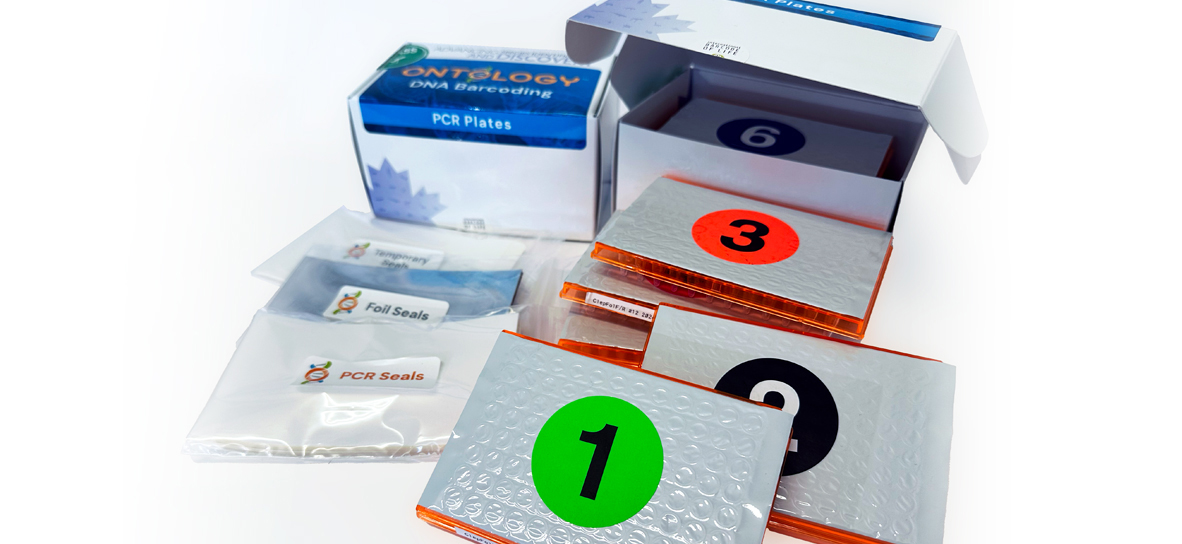
PCR plates ship freeze-dried, so there's no cold chain to manage. Take ONTOLOGY kits to remote sites, worry-free.
03
Streamlined analysis
User-friendly software designed by the team that invented DNA barcoding. Send your data to BOLD straight from ONTOLOGY.
Rooted in Excellence
The design and ongoing development of ONTOLOGY is being driven by the Innovation Unit at the Centre for Biodiversity Genomics. As one of Canada’s university-based Major Research Infrastructures, the CBG supports biodiversity science by creating and applying DNA-based systems for species identification. Because of its role as the founding member and central node of the International Barcode of Life Consortium, the Centre collects and analyzes specimens from organizations all over the world.
Case Studies
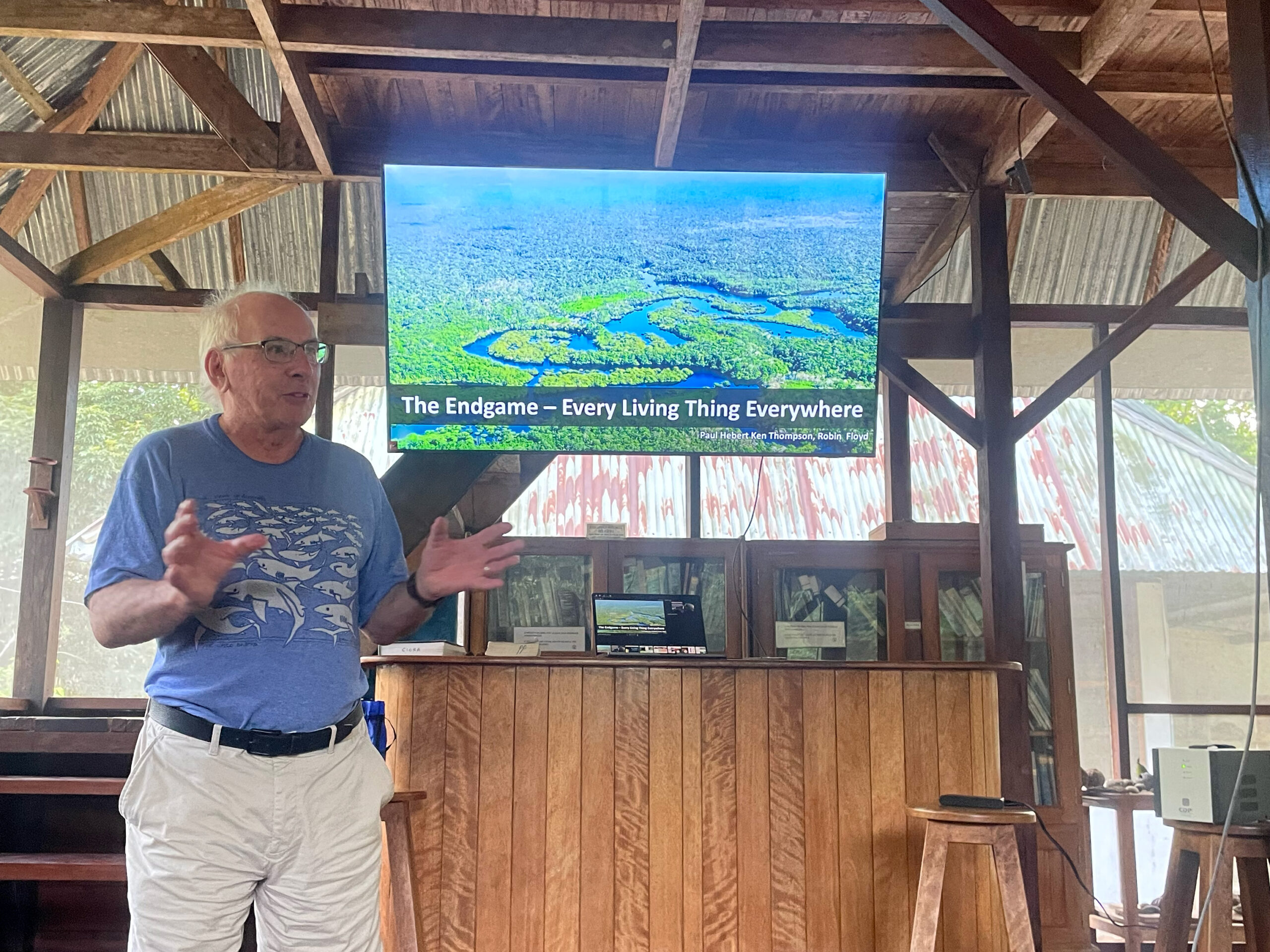
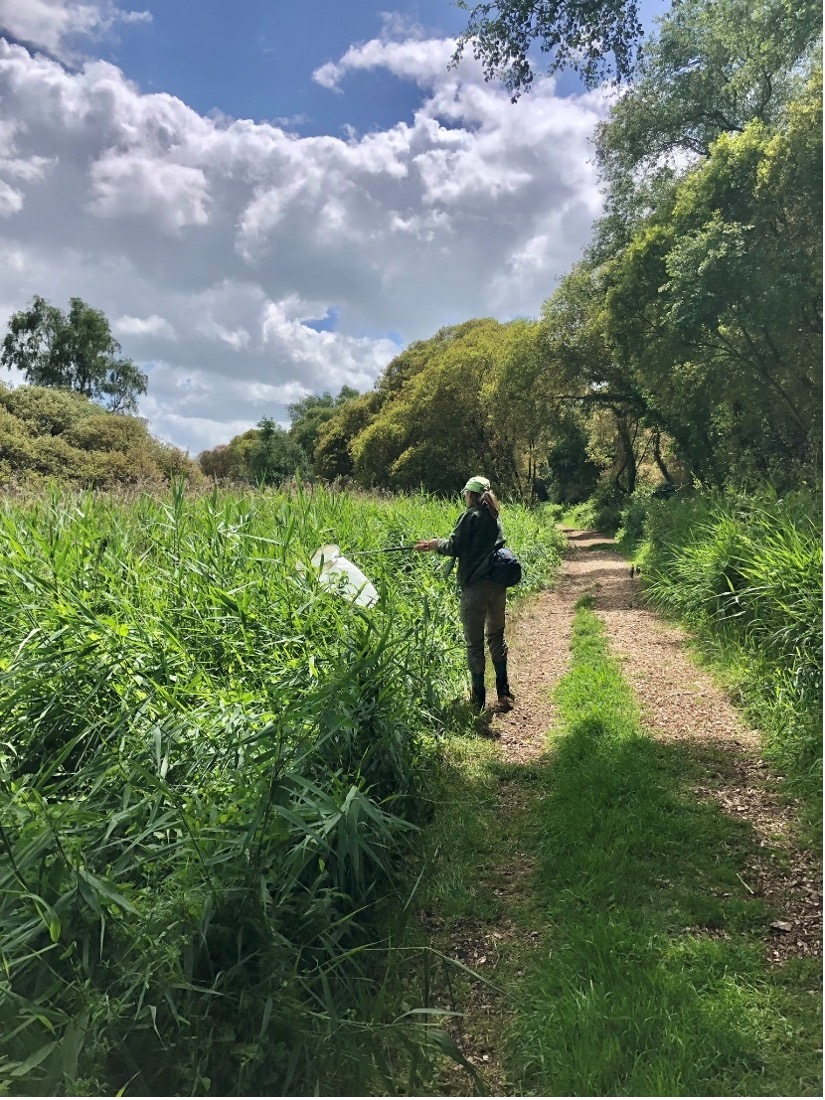
In April 2025, members of the ONTOLOGY development team travelled to Los Amigos Biological Station (Madre de Dios, Peru) to demonstrate the alpha build of ONTOLOGY at a biodiversity monitoring workshop held at the station.

Researchers in the Himalayas use ONTOLOGY to generate DNA barcodes directly at the point of collection in the field, in the mountains, far from a conventional laboratory.
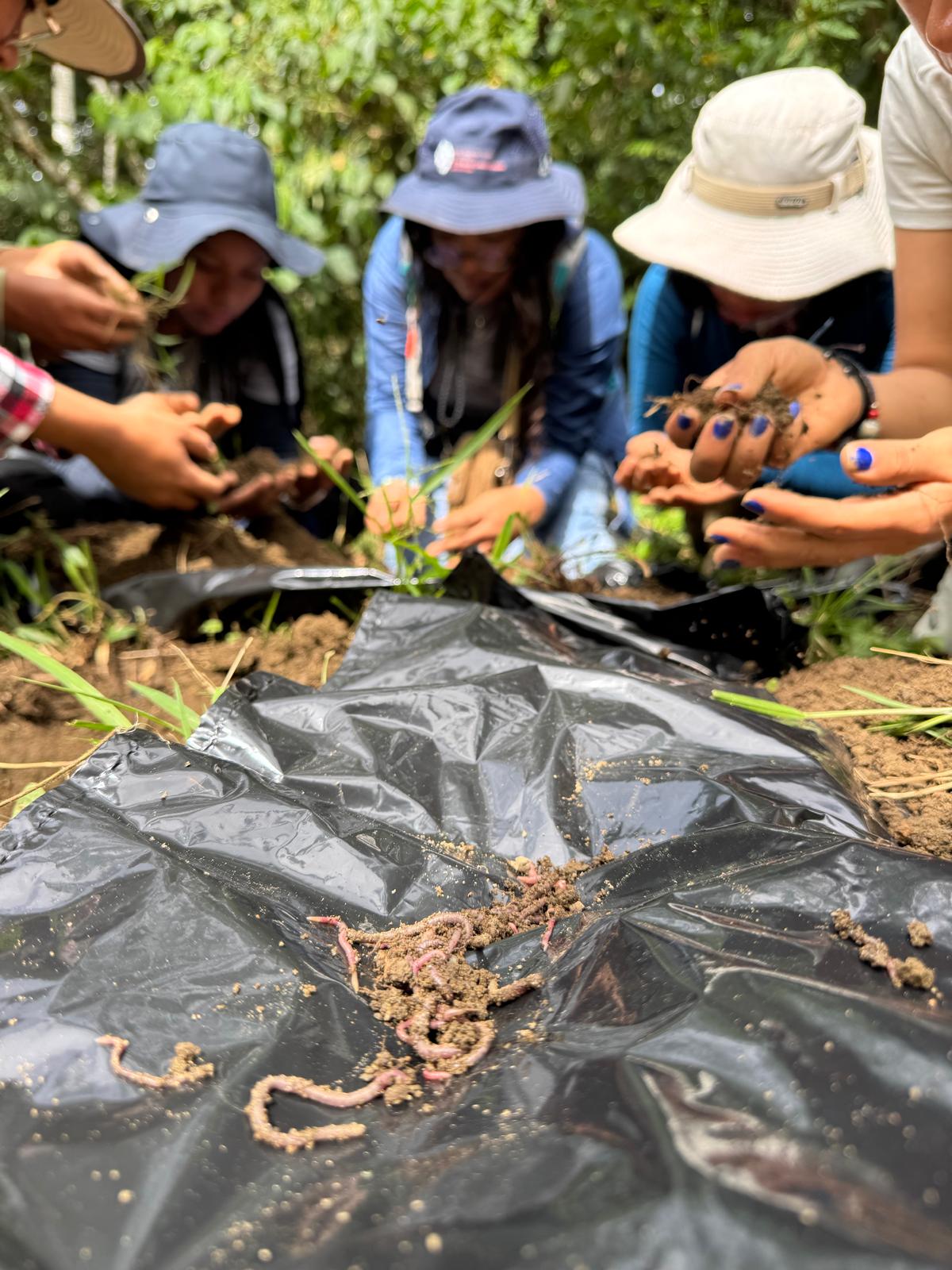
ONTOLOGY has been a key factor in enabling staff at the Thomas Lovejoy Biodiversity and Climate Change Laboratory at Manu Biological Station to initiate and scale DNA barcoding under field-station conditions.
Testimonials
The efficiency of the ONTOLOGY plates has been a revelation for our workflow. We’re extremely impressed with the results—success rates with ONTOLOGY plates actually exceeded what we achieved using fresh reagents. It has significantly streamlined our barcoding process while delivering superior reliability.
ONTOLOGY transformed the way we work—making rapid, high-quality DNA barcoding accessible, even in the remote Himalayan landscape.
National Mission for Himalayan Studies
We tested the ONTOLOGY kit for barcoding a diverse set of nearly a thousand insects, with great success. The pre-made plates and dedicated app make the workflow straightforward and efficient, and we’re excited to use these kits to streamline and accelerate DNA barcoding in our lab.
The ONTOLOGY plates have greatly simplified our workflow by eliminating the need to handle primers, reducing both complexity and the potential for error. This is especially advantageous in teaching environments or for users with varying levels of lab experience. The software is another major strength, providing easy access to all sequencing results—not just a consensus barcode—which enables more detailed and confident evaluation of the data.
By providing pre-made PCR plates with standardized primer sets, reaction volumes, unique molecular identifiers, and plate layouts, ONTOLOGY has removed several of the most common bottlenecks in molecular workflows, including reagent preparation, protocol optimization, and plate design. This compatibility has allowed us to make more efficient use of sequencing resources and to generate reliable data under field conditions.
and Climate Change Laboratory
ONTOLOGY represents a significant breakthrough in DNA barcoding. It makes high-throughput barcoding both accessible and cost-effective for standard laboratories. I am particularly excited about its potential to accelerate the discovery and description of new species, especially within understudied and taxonomically challenging (‘dark’) groups of organisms.
Additional Resources
ONTOLOGY Manual
The ONTOLOGY manual provides details about the software, including a tutorial.
ONTOLOGY Support
Please email support@ontology.bio with any questions you cannot find the answers for on this website.
ONTOLOGY
Protocols
Supplementary documentation to compliment the laboratory procedures outlined in the ONTOLOGY software.