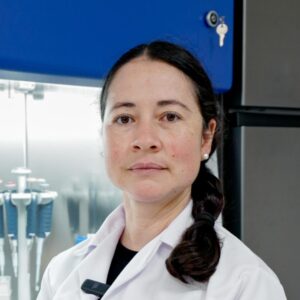
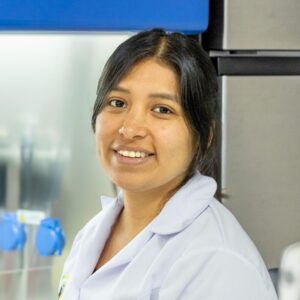
ONTOLOGY is working in southeastern Peru. Adopting and testing the ONTOLOGY pipeline has been a key factor in enabling the Thomas Lovejoy Biodiversity and Climate Change Laboratory at Manu Biological Station to initiate and scale DNA sequencing in a field station in the rainforest.
By providing pre-made PCR plates with standardized primer sets, reaction volumes, unique molecular identifiers, and plate layouts, ONTOLOGY has removed several of the most common bottlenecks in molecular workflows, including reagent preparation, protocol optimization, and plate design. This level of standardization has been particularly important in the field, where maintaining consistency across large numbers of samples is challenging. The system enables efficient transition from specimen processing to DNA amplification and sequencing, with minimal setup time, reducing error rates and ensuring reproducibility across runs.
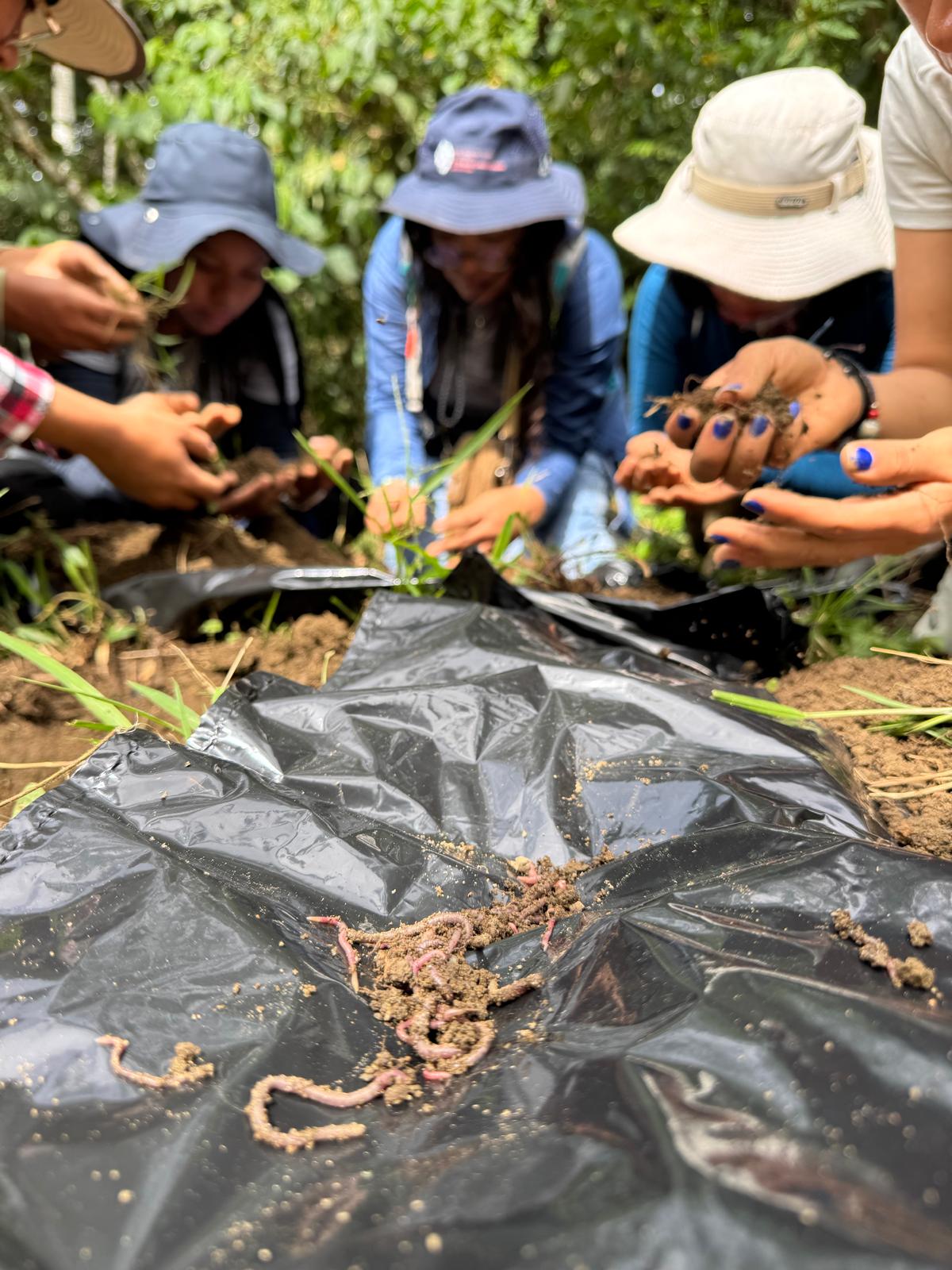
This capacity is central to our work along the Andes–Amazon altitudinal gradient (500–3,400 m), where our team systematically discovers and monitors insect biodiversity. Our research focuses not only on documenting taxonomic diversity but also on understanding ecological patterns, responses of insect communities to climate variation, and distribution and dynamics of disease vectors, such as sand flies that spread Leishmaniasis. The ability to standardize workflows across sites and sampling events has been critical for generating comparable datasets across elevations and through time, which is essential for detecting patterns of turnover, range shifts, and potential disease risk.
Importantly, this workflow integrates seamlessly with our in-situ sequencing capacity using Oxford Nanopore technologies, including MinION and Flongle flow cells. In our experience, the consistency achieved during the amplification stage has translated into improving performance during sequencing runs, particularly with Flongle flow cells where maximizing output per run is critical. This compatibility has allowed us to make more efficient use of sequencing resources and to generate reliable data under field conditions, where optimization opportunities are limited compared to traditional laboratory environments.
In addition, the bioinformatics framework associated with the ONTOLOGY system has significantly simplified data processing and interpretation. The standardized structure of the data, from sample metadata to sequence outputs, allows for streamlined integration into existing pipelines and facilitates direct comparison with global reference datasets. This has reduced the need for extensive local bioinformatics development and has enabled faster turnaround from raw sequence data to usable results. As a result, our laboratory has been able to generate high-quality biodiversity data more efficiently, while maintaining compatibility with international standards for data sharing and analysis.
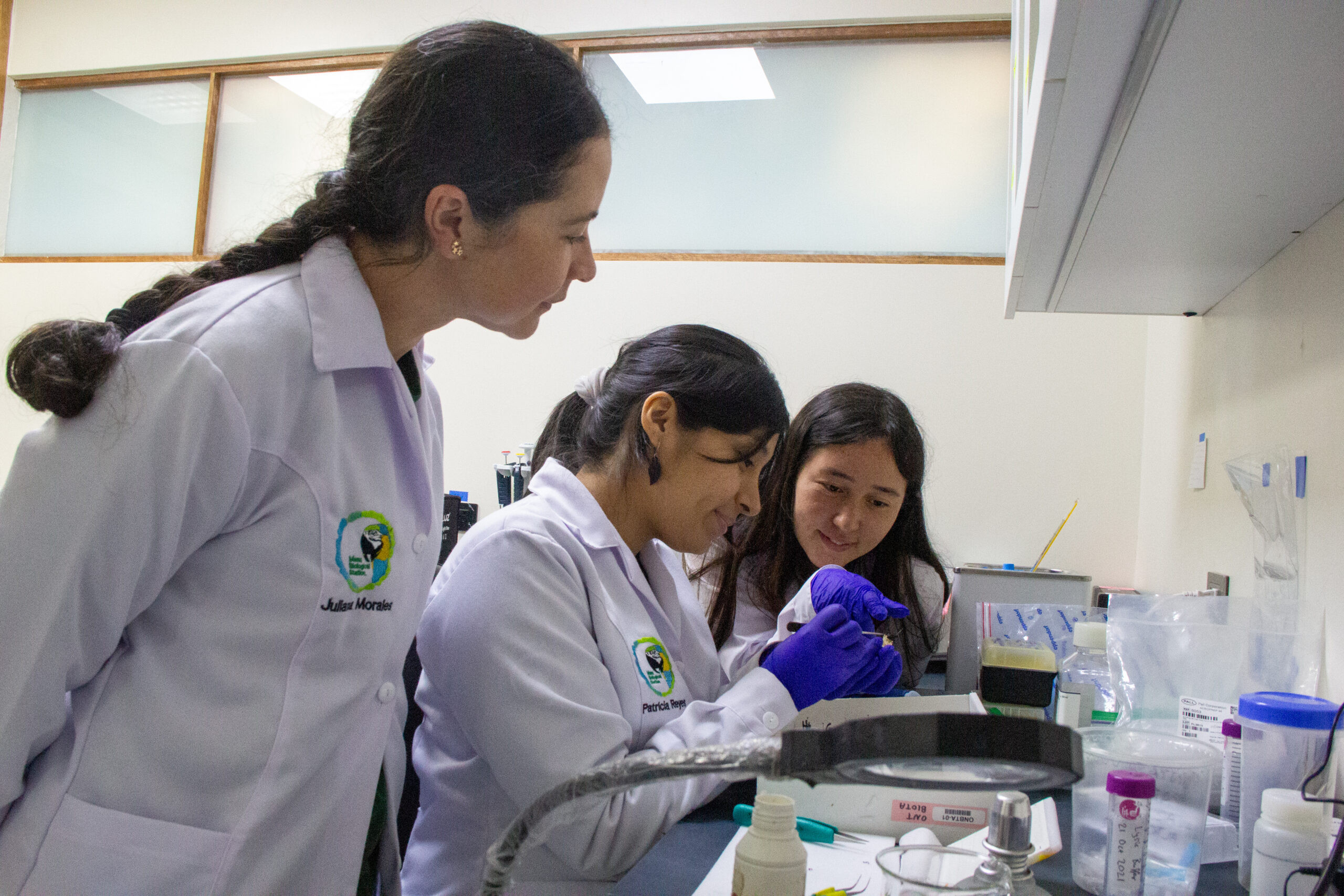
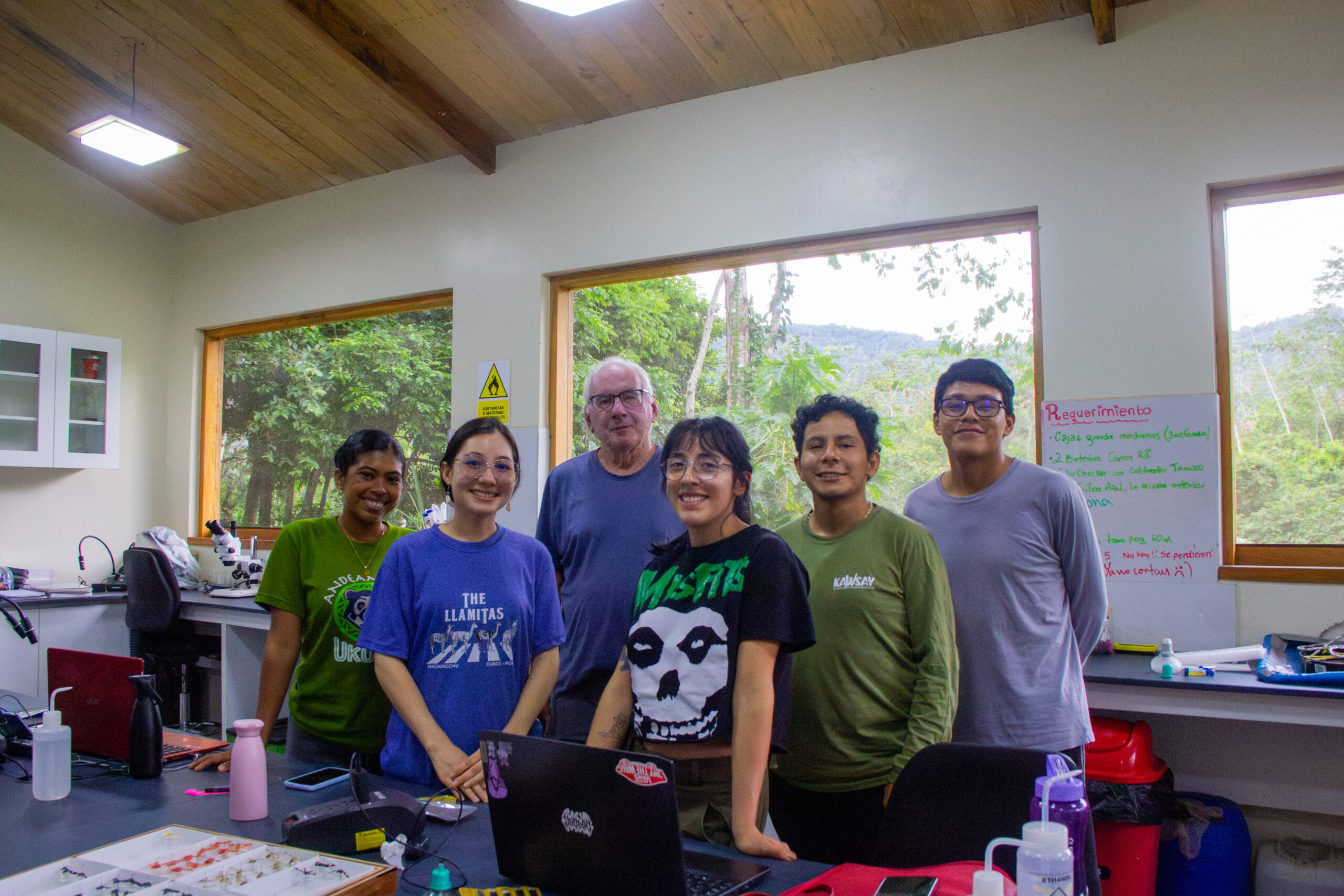
Beyond its technical contributions, ONTOLOGY has also played an important role in the training of young Peruvian researchers. By simplifying laboratory workflows and reducing technical barriers, it has allowed students and early-career scientists to engage directly with molecular techniques, from sample processing to sequencing and data interpretation. This hands-on experience has strengthened local capacity in biodiversity genomics and has reinforced the role of Manu Biological Station in Peru as a science and learning hub for the region.
Overall, the ONTOLOGY system has provided a practical, scalable solution that closely aligns with the needs of a remote, high-throughput biodiversity genomics laboratory. It has allowed us to focus on sample generation, ecological questions, and data interpretation, rather than on the technical challenges of establishing molecular workflows from scratch, thereby accelerating both research output and capacity building within our program.