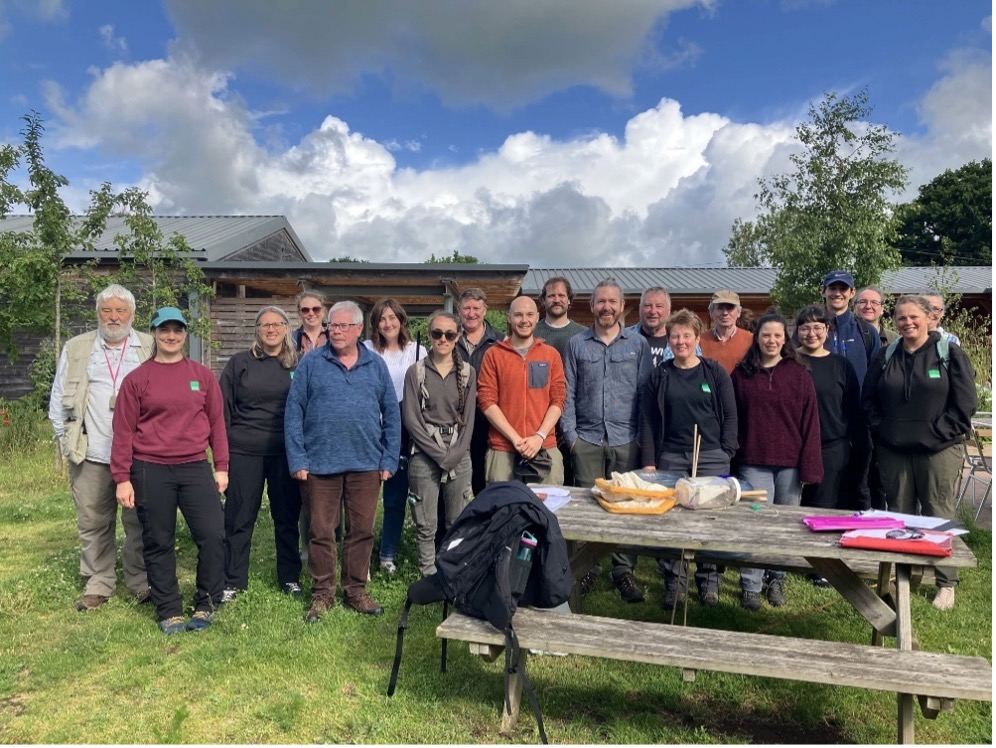
Natural England and the Natural History Museum (London) have been running an annual BioBlitz for six years, and in 2026 the event was held at Shapwick Heath Nature Reserve in Somerset, England. Volunteers from RoAM (Recorders of the Avalon Marshes) also joined the event to share their expertise and knowledge of the local biodiversity. RoAM is an independent voluntary group that works closely with environmental and conservation organisations, sharing its records to help inform conservation and management decisions.
This year’s BioBlitz collected invertebrate specimens to contribute to the Darwin Tree of Life (DToL), Poll-A-Gen, and UK Barcode of Life (UKBoL) projects, targeting species for DNA barcoding and whole-genome sequencing. This year, the team also carried out on-site DNA barcoding using the ONTOLOGY barcoding plates and software to generate molecular identifications in the field.
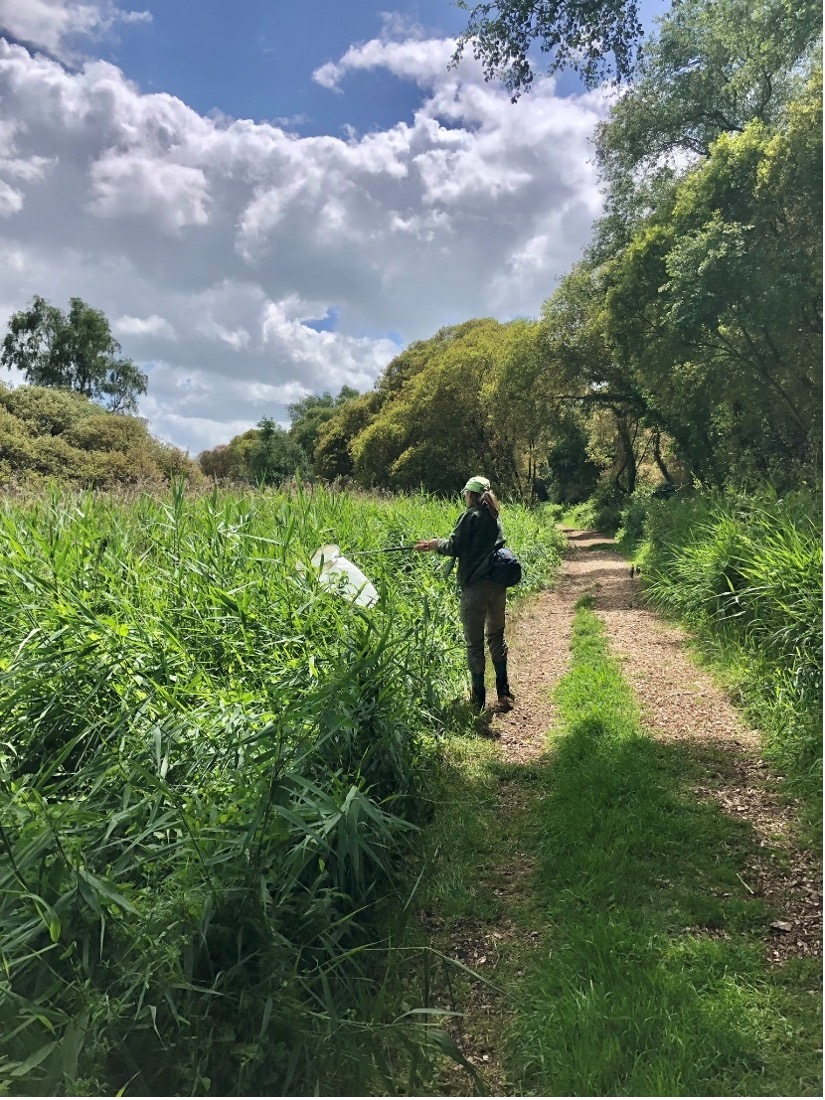
Target species spanned multiple collecting methods and habitat types. Sweep nets and moth light traps were deployed across the reserve’s varied habitats, including fen meadow and wet woodland, with the aim of finding invertebrates on a targeted species list and filling gaps in the DNA barcode reference library. Poll-A-Gen, which investigates how the genetic diversity of pollinators has changed over time, was a particular focus alongside the broader DToL and UKBoL collecting effort.
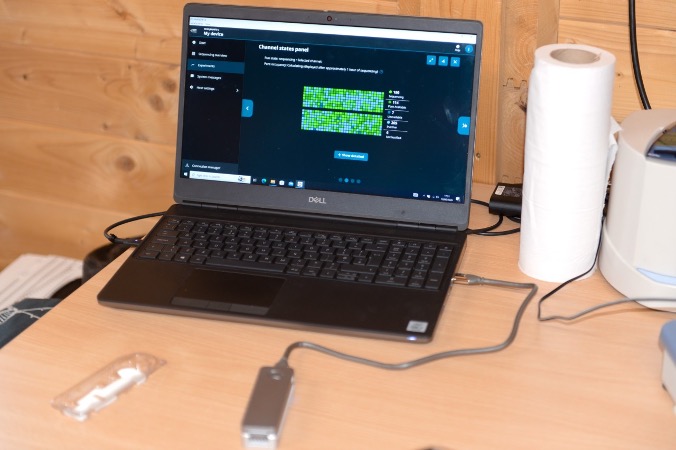
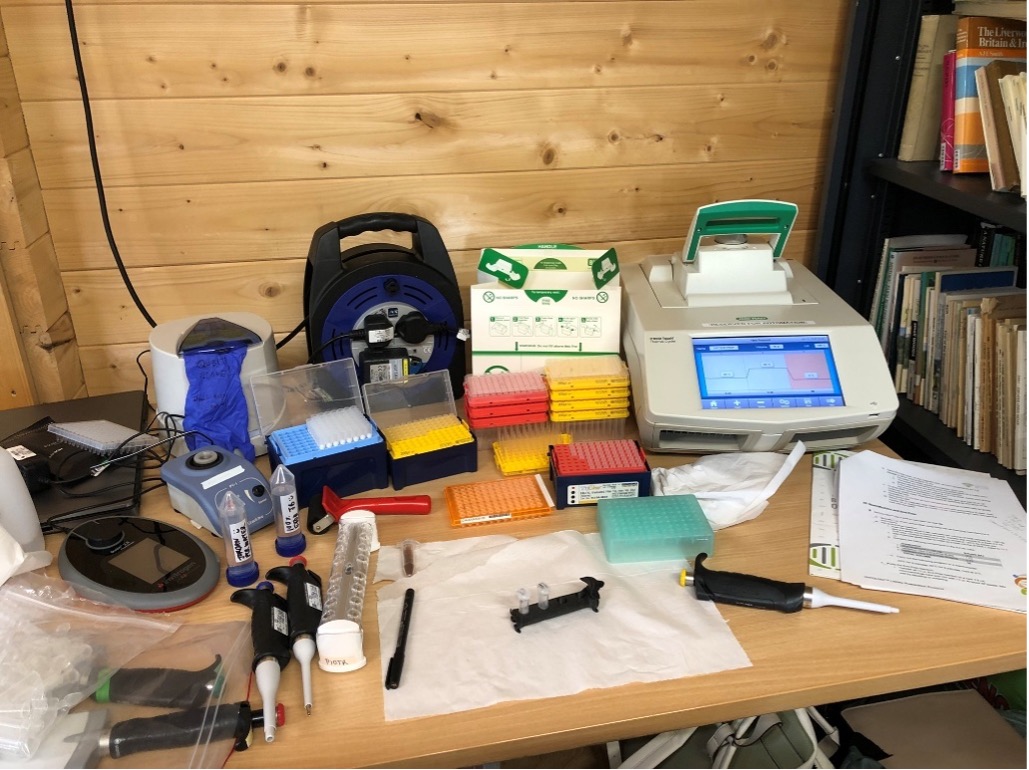
The team was based at the Avalon Marshes visitor centre, where microscopes and sampling equipment were set up alongside a field laboratory comprising a PCR machine, MinION sequencer, and everything needed to go from fresh specimen to barcode result without leaving the site.
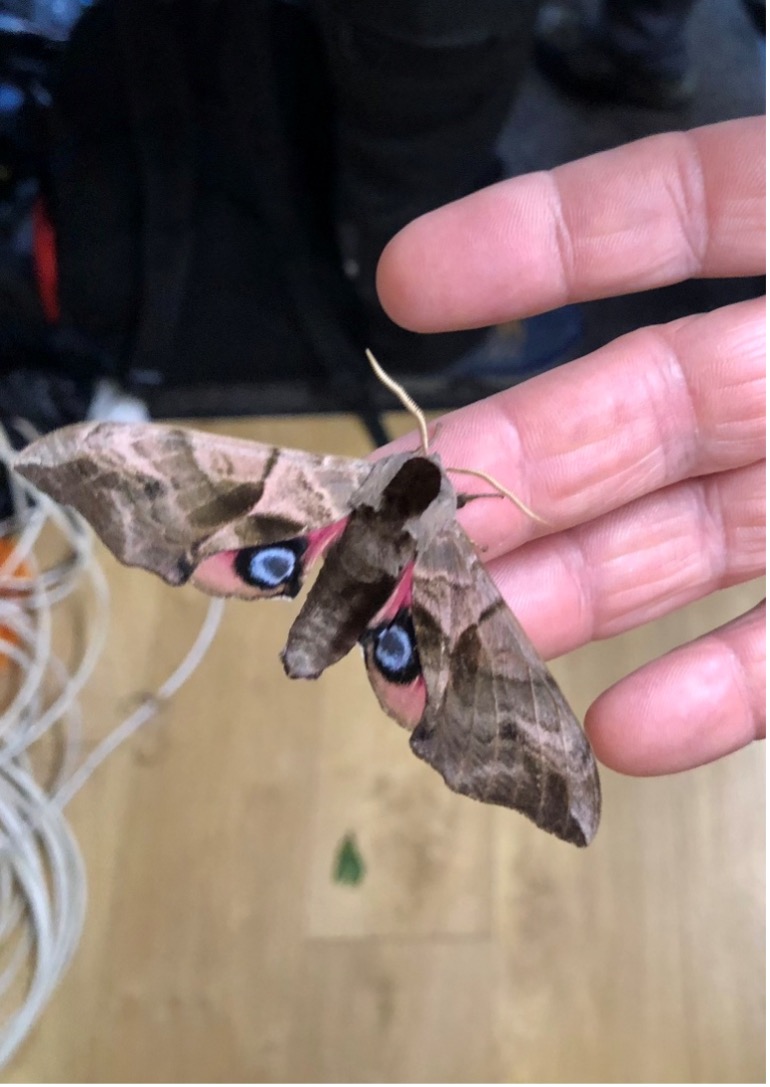
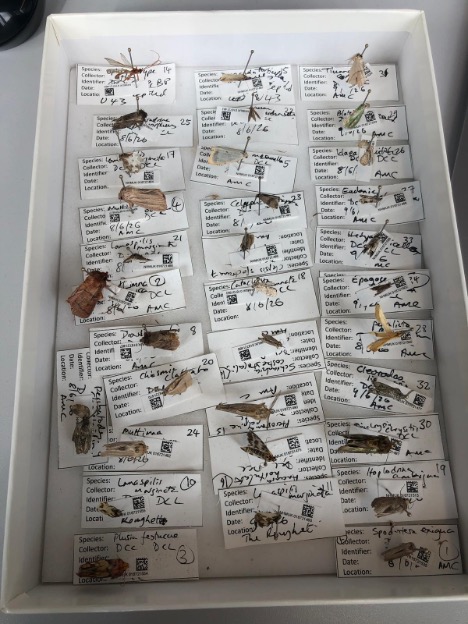
The first collecting day was a busy one, with groups splitting off to cover different areas of the reserve. While teams were out in the field, others worked through the overnight moth trap catches, potting specimens for later identification. Samples destined for whole genome sequencing were flash-frozen in a portable -80 °C freezer, while those being barcoded were preserved in ethanol.
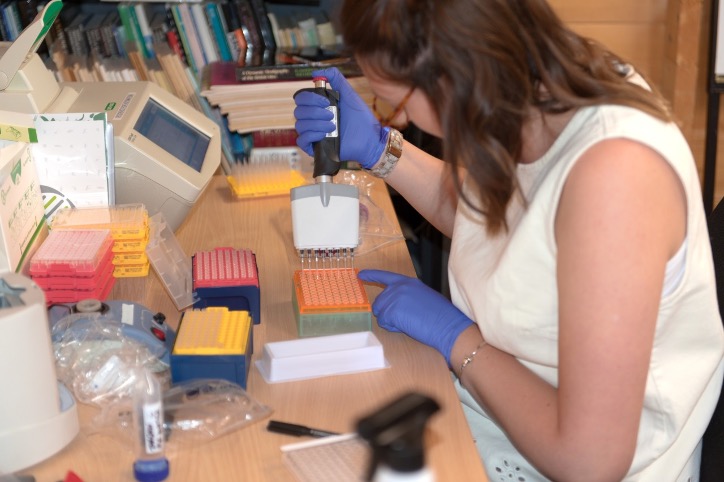
On the second day, the focus shifted to tissue sampling and sequencing. A selection of specimens collected on site, spanning Lepidoptera, Coleoptera, Hemiptera, Hymenoptera, and Diptera, was tissue sampled directly into alkaline HotSHOT lysis buffer for rapid DNA extraction. Once complete, the neutralised lysate was transferred to the ONTOLOGY PCR plate and run on the thermocycler to amplify the Folmer COI region. The lyophilised ONTOLOGY PCR plates made PCR setup quick and straightforward and meant that we had to carry fewer temperature-sensitive reagents and enzymes to the site.
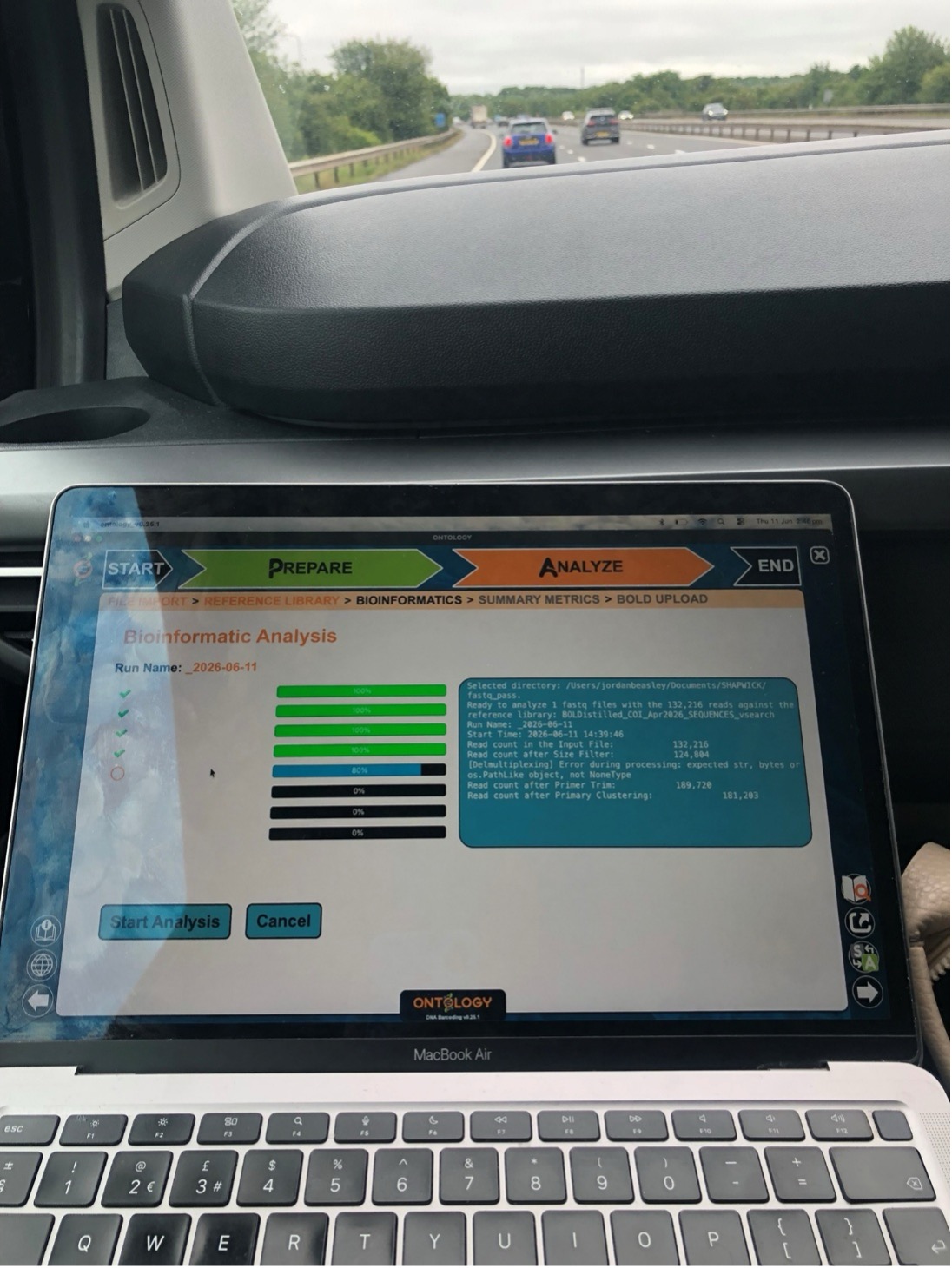
Following PCR, samples were pooled into a single tube, bead cleaned and quantified using a Qubit fluorometer. The pool was prepared for sequencing using the ONT Ligation Sequencing kit and loaded onto the MinION for sequencing and basecalling. Results were analysed using ONTOLOGY software, which quickly produced summary plots and BOLD match results, with the resulting barcodes uploaded to BOLD.